
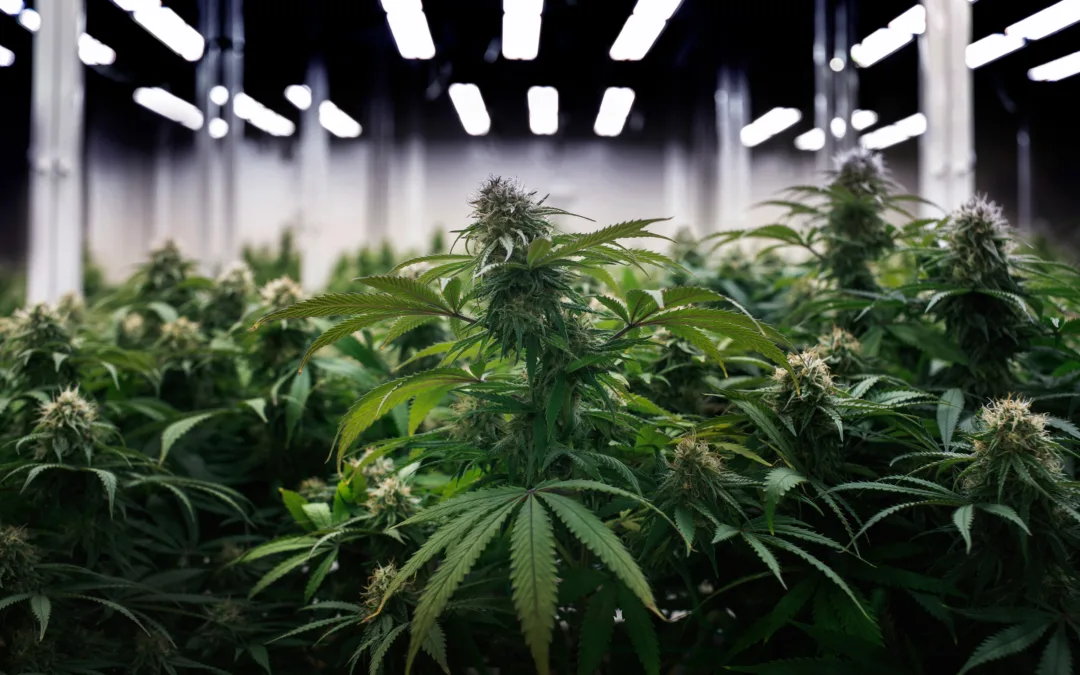
Many people consume psychotropic substances. They include alcohol, caffeine, nicotine, marijuana, and certain pain medicines. These rarely affect our health when consumed occasionally, but can become an issue when used as a coping mechanism, daily.
If you landed on this page, you are already aware that the world we live in is made of energy, and that we attract what we are on an energetic level.
If you have ever worked with a (good) coach, you have experienced an improvement in your mindset that has led you to improve your life significantly; Change the way you think and act, and you’ll attract a different energy!
If you pay attention to what you put in your system on all levels (from food to the people you spend time with!), you are likely to also be mindful of your input (including your thought process, behaviours and actions).
A positive mindset links to a happy life, and your energy is the most precious currency. You should, therefore spend it wisely and on things, people and events that you love and care about.
I am often asked about the effects of regular use of psychotropics and would like to share some thoughts and facts with you, whether you’re personally affected or just curious. Energy flows where attention goes. When you use any substance daily to cope with situations or people, you become less and less able, on a neurological basis, to face difficulties without this crutch. We attract people, events and situations that are meant to be blessings or lessons to ease our evolution. Psycho substances give the illusion of acting from a stronger space but often cause us to drift further away from our true self-identity and desires.
There are many reasons why people run from their emotions, and I see functioning addicts who swear that it does not affect their lives and have a positive effect.
I will not emit an opinion on the matter but rather talk from a neuro-perspective.
Feeling in control of your inner world sometimes becomes so difficult that people reach for substances that numb their negative feelings and give them a chemical boost. An estimated 9 million people take daily pills to deal with life challenges, and 3 million need a pill to sleep at night. These are official numbers, and I guess that they are grossly underestimated. There is a rampant culture of taking pills, drinking, or smoking cannabis daily to numb the internal battles felt and regain control.
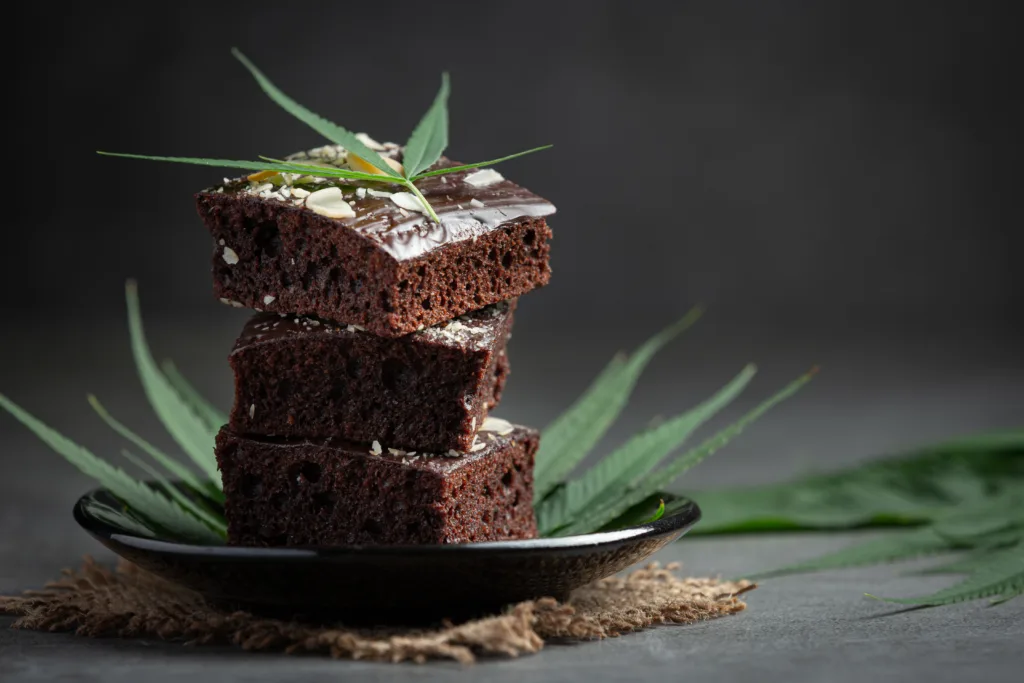
All psychotropic substances have an impact on the functioning of our brain and can cause changes in our mood, awareness, thoughts, feelings, and behaviours. Let’s consider the example of Cannabis, leaving aside the allopathic drugs. Smoking or ingesting Marijuana in the form of “edibles” is a widely accepted social habit.
While alcohol is legal and Cannabis is not, it doesn’t mean that drinking heavily is more beneficial for our health than consuming large amounts of weed.
Both substances can be toxic to our body, mind, and soul.But cannabis is also a powerfully healing plant.
Cannabis (Cannabis sativa) has been used for centuries for various purposes like producing fibers, food, oil, and medicine, as well as for recreational and religious activities. It is composed of more than 500 natural compounds, including cannabinoids, terpenoids, flavonoids, and alkaloids.
Among these compounds, tetrahydrocannabinol (THC), the primary psychoactive ingredient, has been responsible for the widespread recreational use of cannabis.
CBD (Cannabidiol) and THC are natural cannabinoids that are found in the highest concentration in hemp. Both of these substances are used medically and have proven benefits for human health when taken in certain forms. However, the main difference between them is that CBD is not a psychoactive substance, while THC is. CBD can even reduce or neutralize the psychoactive effects of THC. The higher percentage of Cannabidiol means fewer side effects.
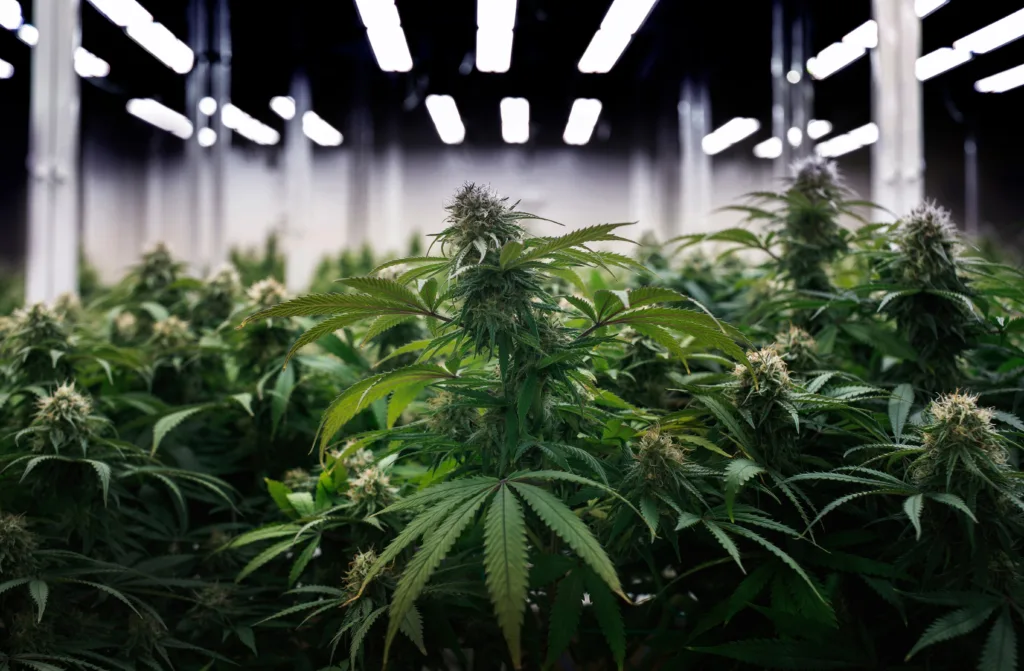
The herbal remedy has proven to be beneficial for
- Parkinson’s Disease, a condition that affects about 10 million people in the world CBD treatment provides excellent results in the fight against the symptoms that accompany this disease. Research shows that using CBD decreases the chances of mental disorders associated with this illness. Studies are showing that using Cannabidiol is making Parkinson’s patients’ lives more comfortable, and symptoms more manageable; It makes functioning in everyday life better.
- It helps to minimise damage after a Stroke; Studies conducted in 2012 showed that cannabis could be implemented to reduce cost after stroke treatment. It proved that people who had traces of tetrahydrocannabinol in the body were 80% less likely to die from a head injury. The research team proved that low doses of THC protect the brain from mechanical injuries and damage due to carbon monoxide.
- Insomnia! It affects many people and hurts their quality of life. CBD and Cannabidiol are effective in treating insomnia, with studies confirming their beneficial effects. CBD was proven to improve the quality of sleep after the first month of treatment.
Using cannabis for insomnia treatment is safer than sleeping pills, which can cause side effects like vomiting and nightmares. They are also more addictive, and people develop tolerance quickly.
Cannabis has the ability to create a high tolerance to the substance. However, this can also lead to addiction. The side effects of cannabis use are not usually severe enough to impact daily activities, but tiredness is a commonly reported issue. The effects of cannabis depend on the dosage, and the positive side, fatigue can help with falling asleep!
Brain Cancer Doctor Manuel Guzman conducted the first clinical trial assessing the anti-cancer effects of THC on humans, and the published results (source: 2006 British Journal Pharmacology) claimed that treatment with tetrahydrocannabinol is connected with reduced tumour cell proliferation in each of the patients studied.
In turn, more and more research indicates that CBD can protect against the occurrence of cancer. Also, it could be used as a supplement during therapy and help reduce side effects associated with it.

Other conditions helped by the intake of cannabis (CBD)include
- Neurosis (a mental condition that is not caused by organic disease, involving symptoms of stress (depression, anxiety, obsessive behaviour, hypochondria) but not a radical loss of touch with reality”).Study results are proving that using CBD reduces anxiety.
In the human body, there are specific receptors on which CBD interacts, modulating the release of neurotransmitters.
- Anxiety disorders: Cannabis brings better results than the use of pharmacological agents..
- Pain is a body reaction on incentives which damage or can possibly hurt tissue. Chronic Pain Relief: Research suggests that cannabis, particularly compounds like cannabidiol (CBD) and delta-9-tetrahydrocannabinol (THC), can effectively alleviate chronic pain. It may be particularly useful for neuropathic pain
USING CANNABIS FOR HEALTH PURPOSES IS DIFFERENT FROM RECREATIONAL USE. Combining cannabis with other stimulants can have adverse health and mental consequences.
The UK legal cannabis market is expected to reach £2.31bn in 2024. The approximate value of the Illegal recreational cannabis market is estimated at 1.5 bn in 2024.
CANNABIS is used as a RECREATIONAL drug that is smoked or ingested.
Taking Cannabis-especially daily and in large quantities affects your chemical, physical, emotional, mental and spiritual balance. And it certainly limits the potential options we have to rewire your brain (Neuroplasticity).
Weed has psychotropic effects and impacts the brain in several ways:
- Impairs thinking and ability to learn and perform complex tasks.
- Disrupts balance, posture, coordination, and reaction time.
- Interferes with memory, learning, attention, decision-making, emotions.
- Early use can interrupt brain development, increasing risks for conditions like schizophrenia.
THE CHEMICAL REACTION:
The brain is made up of different regions that are connected and work together to control different functions like memory and motor skills.
THC, the chemical found in cannabis, attaches to receptors in many parts of the brain, and interferes with normal functioning within brain regions and communication between different areas. As a result, it can impact a person’s body and behaviour in many different ways.
And more specifically, what is happening in the brain when I smoke?
- LIMBIC SYSTEMThe limbic system is a collection of brain structures deep within the brain that is involved in memory and emotion processing. The amygdala and hippocampus are two of the key structures.
How does this affect you?
When THC in cannabis attaches to receptors in the amygdala, it can cause feelings of fear and anxiety in some individuals. THC can also disrupt signalling in the hippocampus, resulting in impaired short-term memory.
- BRAIN STEMThe brain stem is in charge of the functions our body needs to stay alive—breathing, heart rate, and digesting food. It links the brain with the spinal cord, which runs down the back and moves muscles and limbs. It also lets the brain know what’s happening to the body.
How does it affect you? Prescription medications that contain low levels of THC help alleviate nausea resulting from chemotherapy in cancer patients by affecting the brain stem. However, consuming other cannabis products that contain high levels of THC regularly can lead to feeling nauseous or vomiting It also can cause a rapid increase in heart rate.
- CEREBELLUM Located at the back of the brain, the cerebellum is involved in the fine-tuning of motor skills, such as balance and coordination, and plays an important role in the perception of time.
How does it affect you? Cannabis can alter the normal functioning of the cerebellum, impairing a person’s coordination and sense of time.
- CEREBRUM The cerebrum, which is shaped like a mushroom, is the largest part of the brain in humans, accounting for about three-quarters of its entire size. It is responsible for our cognitive abilities, including thinking, planning, decision-making, and problem-solving. The cerebrum also plays a crucial role in processing information from our senses, enabling us to see, hear, feel, and taste.
How does it affect you? Cannabis use can disrupt the normal functioning of the cerebrum, leading to impaired thinking, attention, and decision-making abilities, and causing altered sensations. Individuals who have a predisposition to psychosis may experience symptoms like hallucinations and delusions after using cannabis.
- BASAL GANGLIA The basal ganglia are a group of structures deep within the brain that are strongly interconnected with other brain areas and involved in many processes, including motor function, cognition, and emotion. The basal ganglia also play an important role in regulating how the brain processes reward and reinforcement.
How does it affect you? THC in cannabis raises levels of the brain chemical dopamine in the basal ganglia. Studies suggest that dopamine helps the brain to remember an activity and encourages repeating it. With regular use, this reinforcing effect of cannabis may lead to addiction.
The main concern in the recreational daily consumption of cannabis is its neurobiological impact at any age, but it is particularly concerning when young people are introduced to the substance as young teenagers for the simple reason that the brain maturation continues up to 25-30 years of age. This can cause a few issues-particularly in children already prone to anxiety and environmental stress.
I hope that you found this article informative and that this clarifies the flower’s benefits and dangers objectively and constructively.